Thinking about building a custom home, adding a pool, or planning an addition in Franklin? Before you sketch a footprint, you need to know how setbacks, lot coverage, and overlays shape what you can build. These rules can change from one neighborhood to the next, and they often differ between the City of Franklin and unincorporated Williamson County. In this guide, you’ll learn the essentials, where to find the official rules, and the steps to check your specific lot. Let’s dive in.
Key terms you should know
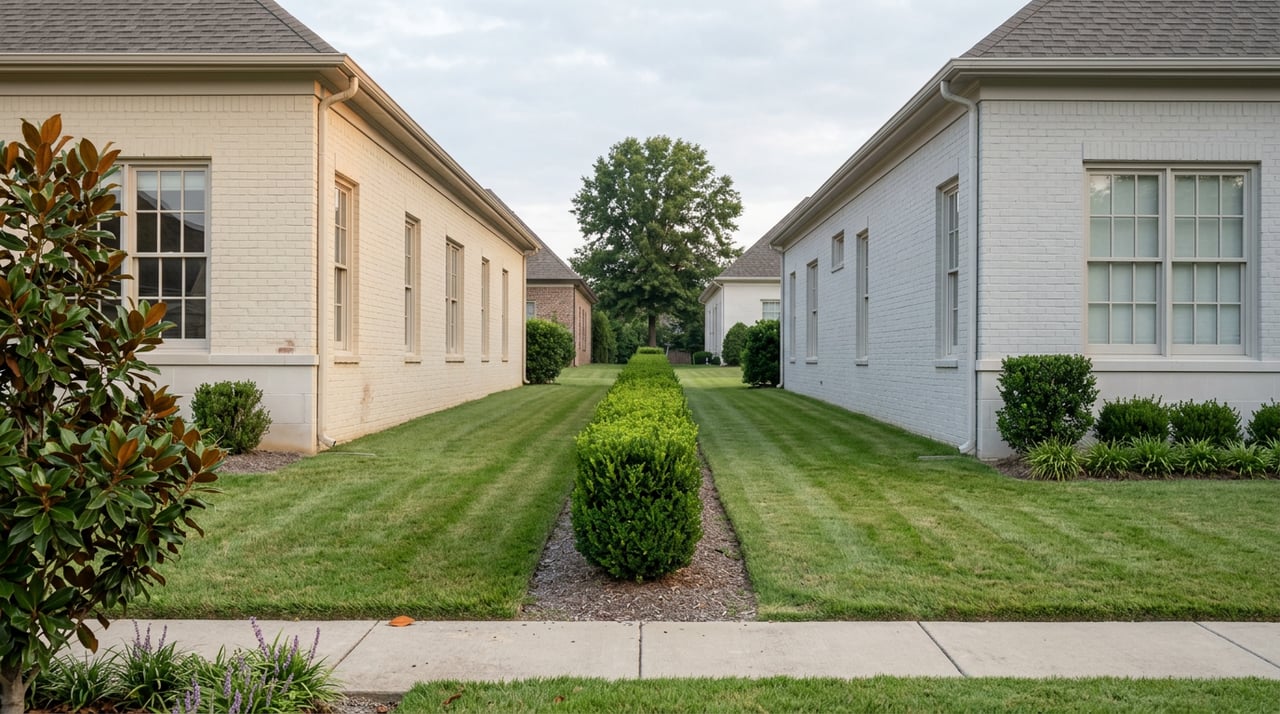
Setbacks are the minimum distances a structure must sit back from your property lines. Most lots have front, side, and rear setbacks, and corner lots often have a larger street‑side setback. A front setback may be measured from the property line or the edge of the public right‑of‑way, so confirm how your jurisdiction measures.
Lot coverage can mean building coverage or impervious coverage. Building coverage usually refers to the footprint of structures relative to your lot area. Impervious coverage includes roofs, driveways, patios, and other surfaces that do not absorb water; local stormwater rules often regulate this.
Height limits cap how tall a structure can be, measured from established grade to the roof as defined by the local code. Some architectural features may be excluded, but the exact rules vary. Accessory structures like garages, sheds, decks, and pools may have different setback or coverage standards than the main house.
City or County: confirm your jurisdiction
First, confirm whether your parcel is inside the City of Franklin or in unincorporated Williamson County. The rules for setbacks, coverage, and height differ between city and county zoning districts. Overlay districts can also modify the base standards.
Not sure where your lot falls? Check the official city zoning map or the county parcel viewer, and review the recorded subdivision plat for any private restrictions. If you still have questions, contact planning staff for help identifying the correct standards for your lot.
Where to find the official rules
For City of Franklin parcels:
- Zoning Ordinance or Unified Development Code: base standards by zoning district, including setbacks, lot coverage, and height.
- Official zoning map and interactive GIS: confirm zoning district and overlays.
- Planning Division / Development Services: pre‑application meetings and interpretations.
- Building Codes / Permit Office: height measurement method and building permit requirements.
For unincorporated Williamson County parcels:
- County Zoning Ordinance and county zoning map: base residential standards.
- County GIS / Property Assessor parcel viewer: parcel lines, easements, city limits, flood data, and recorded info.
Other key resources:
- FEMA Flood Insurance Rate Maps: floodplain and floodway constraints that can affect setbacks and elevation requirements.
- Historic Zoning Commission (City of Franklin): design review and massing guidance for properties in historic districts.
- Subdivision plats, covenants, and HOA documents: private restrictions that may be stricter than zoning.
How standards vary by zoning and overlay
Base zoning sets your minimum setbacks, coverage allowances, and height. Smaller‑lot or urban districts often allow tighter setbacks and higher coverage, while low‑density districts usually require larger yards and lower coverage. Planned developments and specific plans may use tailored standards adopted with the plan.
Overlays can add requirements. Historic or character overlays may influence front setbacks, roof massing, and facade design to fit the block face. Conservation and corridor overlays can affect buffers, access, or placement. Always confirm overlay status early.
What counts toward coverage and setbacks
- Eaves, steps, porches, and decks: Some jurisdictions allow limited encroachments into setbacks or exclude certain features from coverage. Ask planning staff what applies.
- Pools, patios, and driveways: These often count toward impervious coverage even when they are not part of building coverage.
- Easements: Utility and drainage easements typically prohibit structures and can reduce your buildable area more than zoning setbacks alone.
- Floodplains: Floodway and floodplain rules may require additional setbacks, elevation, or design controls.
Quick method to estimate buildable area
Use this process for an early feasibility check with your designer or builder:
- Confirm lot area from a current boundary or ALTA survey.
- Identify front, side, and rear property lines and apply the required setbacks to draw the potential buildable area.
- Subtract any recorded easements or conservation areas from that buildable area.
- If impervious coverage is limited, calculate your maximum allowed impervious area, then subtract existing surfaces like the driveway and patios to find what remains.
- Ask your architect to sketch a footprint that fits within the setbacks and keeps total impervious area within the limit.
Process, approvals, and timelines
Most projects benefit from a pre‑application conversation with planning staff to confirm interpretations before you commit to a final design. Depending on the scope, you may submit a site plan or go straight to building permits once your design meets standards.
If your plan exceeds a setback, coverage, or height limit, you may need a variance or administrative modification. Variances usually involve public notice and a board hearing. Plan reviews can take several weeks, and variance timelines often span several weeks to a few months, depending on staff workload and hearing schedules.
Common pitfalls to avoid
- Assuming base zoning is the only rule. Overlays, recorded plats, and CC&Rs often add restrictions.
- Relying on a rule of thumb. Numbers vary by district and by whether the lot is in the city or county.
- Missing easements. Utility and drainage easements can block structures entirely.
- Overlooking impervious limits. Stormwater rules can force changes to pool, patio, or driveway placement.
- Skipping historic or environmental checks. Historic review, tree protections, and steep‑slope rules can affect massing and layout.
Buyer and owner checklist
Gather these items before you design or purchase:
- Current deed and legal description, plus the recorded subdivision plat.
- Recent boundary/ALTA survey and a topographic survey.
- Zoning district, overlays, and the latest development standards table for your district.
- City or County parcel report and GIS extract showing easements and flood data.
- HOA covenants, conditions, and restrictions if applicable.
- Any prior permits, variances, or site plan approvals on record.
- FEMA flood map designation and any known flood history.
- Notes from a pre‑application meeting with planning staff.
When a variance may be needed
You may consider a variance when a reasonable design cannot meet one or more standards due to lot shape, topography, easements, or other constraints. Ask staff if administrative adjustments are available for minor deviations or if a formal variance and hearing are required. Bring a stamped survey and a simple concept plan to support your request.
How we help you move forward
If you are weighing a custom build, addition, or pool on a Franklin‑area lot, you want advice grounded in zoning, site conditions, and buildability. Our team blends local market expertise with decades of builder‑side experience, so we can help you evaluate feasibility, coordinate with your design/build team, and plan a smooth path to permits and construction. When the details matter, you deserve a seasoned partner from first sketch to closing.
Ready to talk through your lot or next project in Franklin or greater Williamson County? Connect with Susan Gregory for tailored guidance.
FAQs
What are setbacks in Franklin real estate?
- Setbacks are the required distances between a structure and your property lines, including front, side, and rear yards; they vary by zoning district and overlays.
How do I know if my property is in the City of Franklin or the County?
- Check the official city zoning map and the county parcel viewer, review your recorded plat, or contact planning staff to confirm jurisdiction and applicable standards.
Do HOA rules override city or county zoning standards?
- HOAs and recorded covenants can be stricter than zoning and are enforceable privately, but you must also meet city or county requirements; follow whichever is more restrictive.
Does a pool or patio count toward lot coverage in Franklin?
- Many jurisdictions count pools, patios, and driveways toward impervious coverage, while building coverage typically focuses on structure footprints; verify what applies to your lot.
What happens if my plan exceeds a setback or coverage limit?
- You may need an administrative adjustment or a variance that involves an application, public notice, and a board hearing; timelines often span several weeks to a few months.
Are corner lots treated differently for setbacks?
- Yes, a corner lot commonly has a larger street‑side setback on the secondary frontage; confirm how front and side yards are defined for your specific lot shape.