Pricing a luxury home in Brentwood is equal parts data and nuance. You want a number that draws qualified buyers quickly, holds up with the appraiser, and protects your net. In today’s balanced market, the right launch price and presentation can be the difference between a strong first week and months of costly price reductions. This guide walks you through how to price with confidence in Brentwood’s upper tier, what the current data says, and the steps that help you win. Let’s dive in.
Why Brentwood luxury pricing is different
Brentwood’s overall prices are high, but headline medians can be misleading for estates. In recent months, a larger share of closings at 2 million dollars and above lifted average sale prices while price per square foot moved only modestly. That “mix shift” means you should not peg your list price to citywide averages.
At the same time, months of supply has risen into the mid‑single digits and days on market varies by price tier. In a more balanced market, buyers have options and will pass on overpriced listings. Your goal is a defensible price that captures early momentum without leaving money on the table.
Read today’s market in three signals
- Price level context. Recent aggregator snapshots placed Brentwood’s typical home value around the low‑to‑mid 1 million range. Treat those figures as context only. For estates, the only reliable answer comes from a neighborhood‑level CMA and carefully chosen luxury comps.
- Inventory and timing. Months of supply has increased compared with 2021–2022. That gives buyers more leverage and puts pressure on accuracy at launch. Overpricing early often leads to fewer showings, a stale listing, and lower net after reductions.
- Luxury mix. Brentwood recently saw a notable jump in 2 million dollar plus closings, including several above 4 million. When that happens, averages float higher even if underlying demand at every tier does not. Compare like‑for‑like: lot size, community, finishes, and recent remodels.
Build a number that holds up
Start with a curated comparable set. For custom or one‑of‑a‑kind homes, agents and appraisers look for recent closed sales inside the same community or with a similar lot and amenity profile. When direct comps are scarce, professionals will blend sales comparison with elements of the cost approach. Documented upgrades, permitted work, and quality photo evidence help justify adjustments. The Appraisal Institute explains why unique properties require this extra care.
Two practical rules will strengthen your pricing:
- Treat price per finished square foot as a secondary metric. Use it only after you account for size, lot usability, outdoor living, pool, and community amenities.
- Stay hyper‑local. In Brentwood, communities like Governors Club, Annandale, Rosebrooke, McGavock Farms, and Belle Rive trade at different levels based on architecture, gates, club offerings, and lot patterns. Your comps should mirror those factors, not just proximity.
Choose the right price band
Luxury buyers search in brackets, for example 1.5–1.75 million, 1.75–2 million, and 2 million plus. Small pricing moves that shift you into a different bracket can shrink or expand your buyer pool. Decide which audience you want to capture:
- Slightly under a round number to broaden exposure and invite competition.
- At market value to maximize qualified traffic and speed.
- Aspirational pricing only when time and privacy allow, paired with a standout marketing plan and a clear review timeline.
If you do test an aspirational number, plan a data‑driven check‑in after 7–14 days. If showings, feedback, and offers do not support the price, pivot quickly to protect momentum.
Plan for appraisal and financing
Appraisals matter even at the top of the market. Lenders use an independent opinion of value to approve financing. For custom estates with sparse comps, the probability of an appraisal below contract rises unless you prepare proactively. The Appraisal Institute and NAR’s consumer guide to appraisals both highlight why unique features and limited data increase subjectivity.
Here is how you reduce appraisal risk:
- Build a comp packet. Include the closest closed sales, a finishes list, permits and invoices for major upgrades, and high‑quality photos that show craftsmanship.
- Share local context. If your property sits on an uncommon lot or has specialty features, provide a brief explanation of how buyers value them in your community.
- Anticipate negotiation. Appraisal‑related delays and reconsiderations still occur, according to industry surveys. Set expectations about appraisal contingencies and gap strategies before launch.
- Remember cash. Many luxury buyers use cash or jumbo financing. Cash reduces appraisal risk, but it does not replace the need to price to market interest.
Presentation that protects your price
At this level, presentation is not a nice‑to‑have. It is part of your pricing strategy. NAR’s staging research shows that staging helps buyers visualize a home and can shorten time on market; a material share of agents also report modest upward movement in offers when staging is done well. See the latest staging insights.
Focus your pre‑market spend where buyers notice it most:
- Repair first. Roof, mechanicals, drainage, and structural items inspire confidence and reduce renegotiation risk.
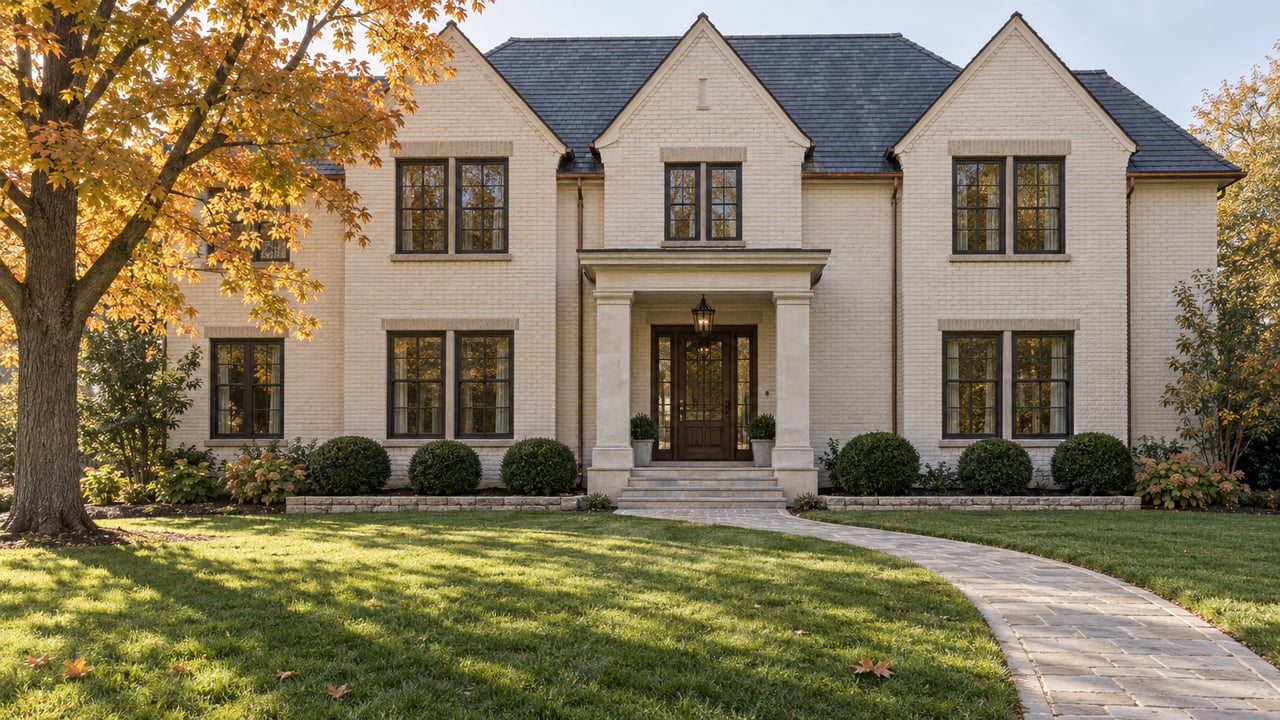
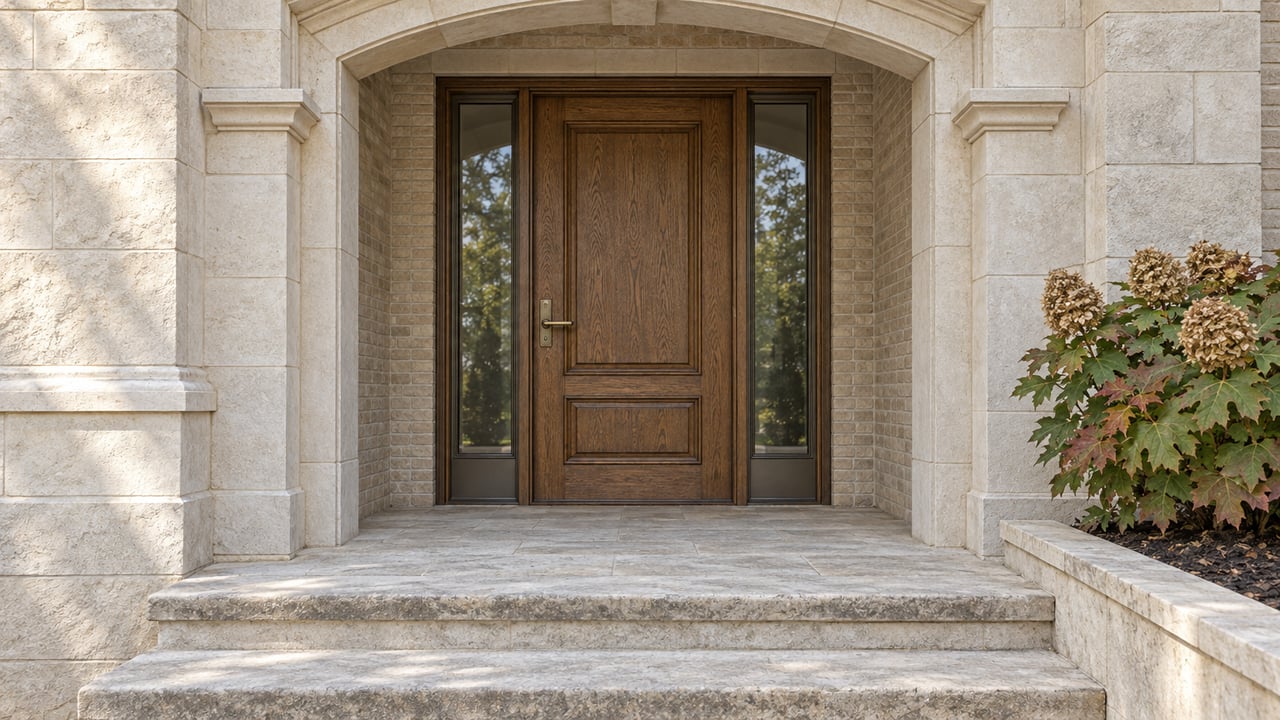
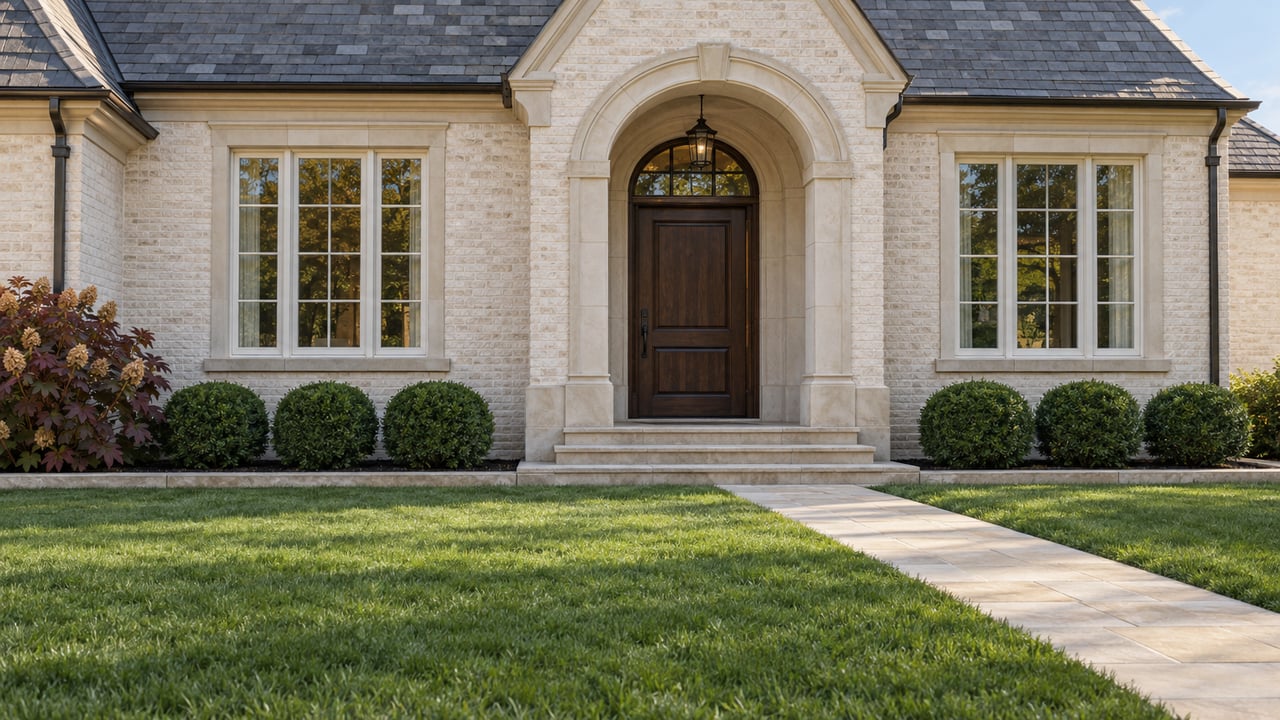
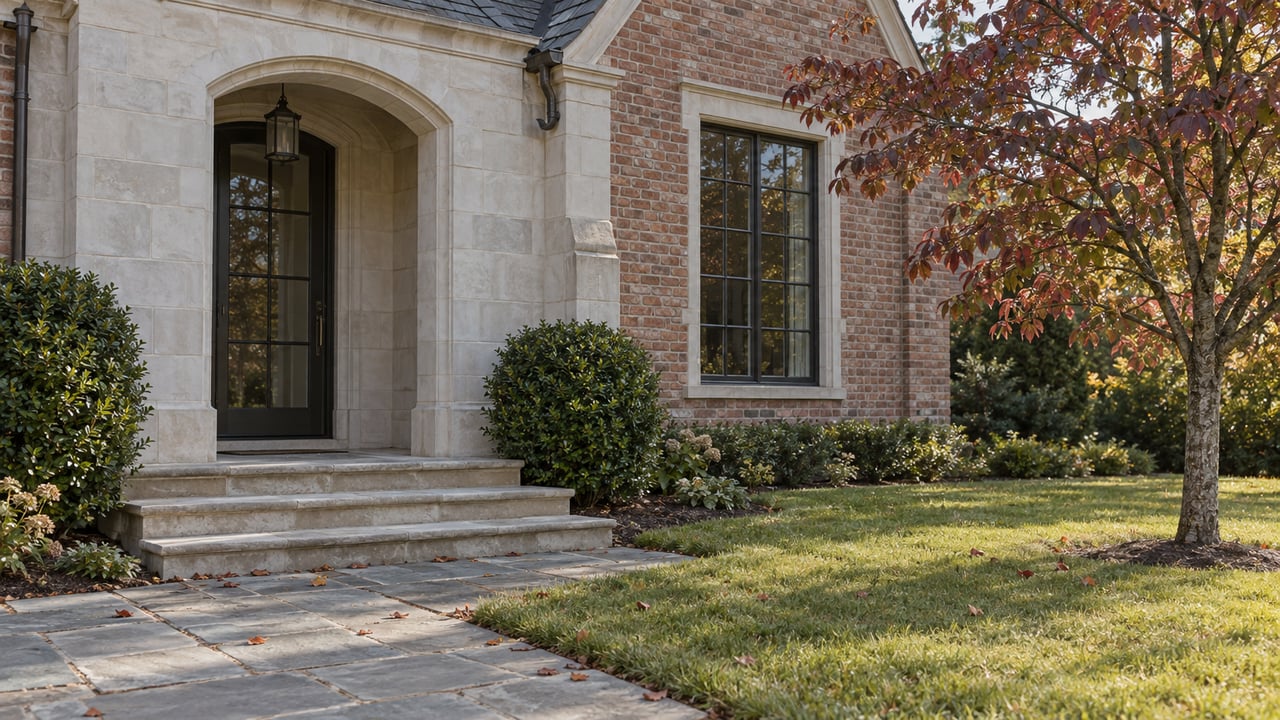
- Enhance curb appeal. Cost‑versus‑value data shows exterior projects often deliver strong ROI at resale. Review the 2025 Cost vs. Value highlights.
- Stage for the story. Neutral, high‑quality staging, luxury photography, cinematic video, drone, twilight imagery, floor plans, and a dedicated property website communicate value before a buyer ever sets foot inside.
Nail the launch window
Your first one to two weeks on market are critical. That is when the most active, qualified buyers will see your home. Use a written 14‑day review:
- Track showings, online saves, and feedback daily.
- Watch for early offers or repeated “price vs. finish” comments.
- Be ready to adjust quickly if the market does not validate your number.
This approach preserves negotiating power and helps you avoid deeper reductions later.
A Brentwood seller’s pricing checklist
Use this as your playbook before you go live:
- Commission a hyper‑local CMA focused on closed 1.5 million plus and 2 million plus comps within your community and the last 6–12 months. Ask for price and area‑adjusted price per square foot, plus the three to five closest comps by lot size and amenities.
- Assemble documentation. Permits, invoices for upgrades, a finishes matrix, and professional photos of specialty materials or craftsmanship.
- Prepare an appraisal packet. Package your comps, upgrade evidence, and community context to support the appraiser and the lender. Review NAR’s consumer guide to appraisals so you know what to expect.
- Decide on pre‑listing repairs. Tackle items that could trigger buyer concern or inspection renegotiation. Keep receipts and warranties in your file.
- Staging and media plan. Budget for professional staging and top‑tier media. NAR’s staging research supports the return on this investment.
- Launch pricing strategy. Choose your price band intentionally and set a 7–14 day review to evaluate traffic and feedback.
- Marketing rollout. At minimum, plan for luxury‑grade photography, film, 3D tours, a dedicated property website, targeted email and phone outreach to top local broker networks, and a broker open. For a deeper dive on tactics, review these luxury marketing strategies.
What great luxury marketing looks like
Upper‑tier buyers expect a cohesive, high‑end experience from the first click to the private showing. A strong program includes:
- High‑resolution stills, cinematic video, drone, floor plans, and a single‑property website with downloadable specs and documentation.
- Targeted distribution to the right audiences, including broker‑to‑broker outreach and private previews for top agents with active luxury buyers.
- Invitation‑only events or curated previews when privacy or lifestyle storytelling adds value.
These elements are not just about optics. They widen your buyer pool, increase time‑on‑page for your listing, and support your asking price during showings and appraisals.
How we help you price right in Brentwood
You deserve a senior advisor and a proven process. With decades of builder‑side experience and luxury marketing credentials, our team knows how to value custom finishes, new‑construction quality, and lot characteristics that standard comps might miss. We prepare a neighborhood‑specific CMA, build an appraisal‑ready documentation packet, and deliver a luxury marketing campaign built to reach the right buyers fast.
If you are weighing pricing options or timing, let’s talk through scenarios and likely outcomes before you go live. A brief strategy session can save you weeks on market and protect your net. Connect with Susan Gregory to start your pricing plan.
FAQs
What is a realistic price range for Brentwood luxury homes?
- Recent snapshots place typical Brentwood values in the low‑to‑mid 1 million range, but true luxury often begins around 1.5–2 million and extends well above 4 million; your number should be set by community‑level comps, not citywide averages.
How should I choose comps for a Brentwood estate?
- Focus on closed sales inside your community or with near‑identical lot and amenity profiles over the past 6–12 months; treat price per square foot as secondary after you adjust for size, lot, pool, outdoor living, and finish quality.
How do appraisals affect luxury listings in Brentwood?
- Unique or custom properties face a higher chance of appraisal variance because direct comps are limited; prepare a comp and upgrade packet and review NAR’s appraisal guide so you can plan for contingencies.
Does staging really move the needle at the high end?
- Yes. NAR reporting indicates staging helps buyers visualize a home and can shorten time on market, with some agents seeing modest offer increases; invest in professional staging and media to support your price.
How long should I test an aspirational price?
- In a balanced market, give it 7–14 days with clear metrics for showings, feedback, and offers; if the market does not validate the number, adjust quickly to preserve momentum and net.