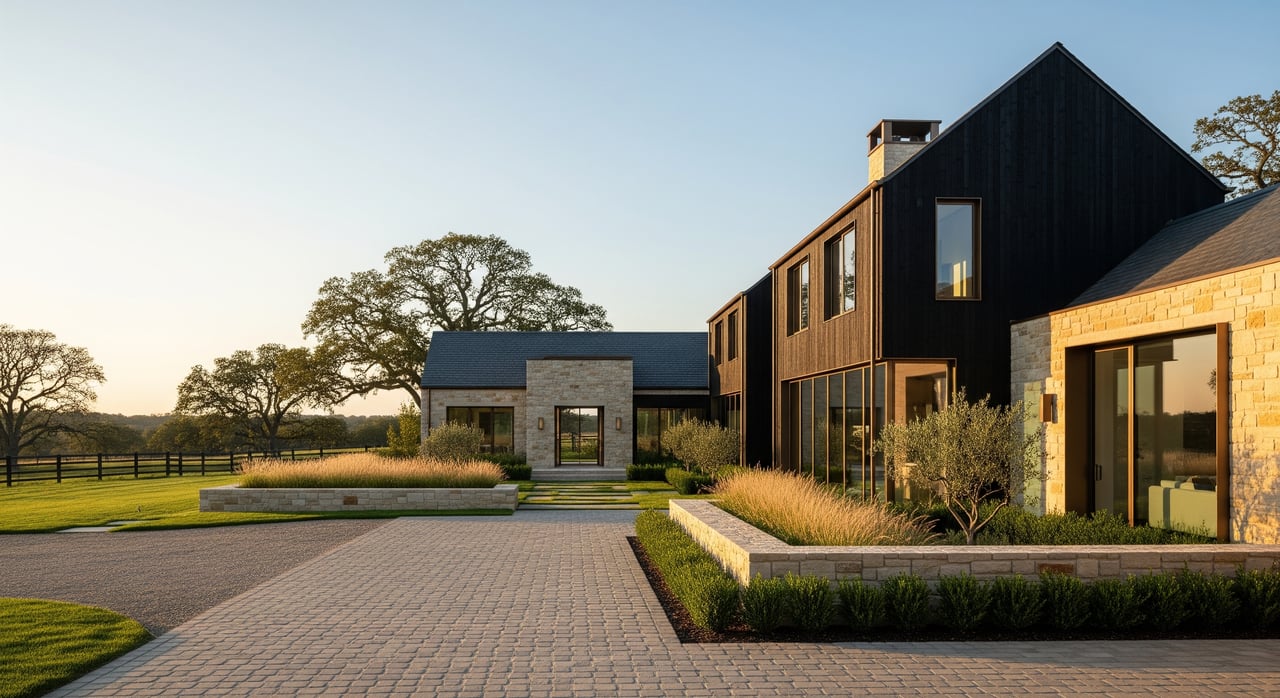
Ready to build your dream home in Brentwood’s Primm Farm? The approval path runs on two tracks at once, which can feel confusing at the start. You need to satisfy both the neighborhood HOA’s Architectural Review Committee and the City of Brentwood before you can break ground. In this guide, you’ll learn the exact sequence, typical submittals, timelines, and common pitfalls so you can plan with confidence. Let’s dive in.
HOA vs. City: How roles differ
Think of the HOA ARC as the design steward and the City of Brentwood as the safety and infrastructure authority. The ARC focuses on exterior style, materials, landscape, lighting, and how your home fits the neighborhood. The city reviews grading, drainage and stormwater, erosion control, utilities, right-of-way items, and your building plans. You must satisfy both tracks to build.
Start smart: What to check first
Begin with the Primm Farm CC&Rs, Design Guidelines, ARC rules, and any addendums. Confirm lot-specific setbacks and the building envelope on the final plat. Next, connect with Brentwood Development Services and Engineering to understand plan review steps, building codes, and site requirements. If your project disturbs enough land to trigger state oversight, prepare for Tennessee Department of Environment and Conservation stormwater requirements. Finally, verify utility connections and any off-site improvements with local providers.
Approval sequence and timing
You will move through several stages. Some can run in parallel, but order still matters. Plan for 3 to 6 months from concept to permit for a typical single-family lot.
A. Pre-design and information (1–2 weeks)
- Gather your lot packet: CC&Rs, ARC guidelines, plat, building envelope, and any seller or builder disclosures.
- Confirm availability of water, sewer, electric, gas, and telecom.
B. Concept and pre-application meetings (1–3 weeks)
- Request a pre-submittal conversation with the ARC or HOA design liaison to align on materials and landscape expectations.
- Schedule a pre-application meeting with Brentwood planning and engineering to flag driveway, grading, stormwater, and tree protection issues early.
C. ARC schematic submittal (2–6 weeks per cycle)
- Your architect prepares a schematic site plan, exterior elevations, materials and colors, and a preliminary landscape plan.
- Submit to the ARC. Expect 2 to 6 weeks per review cycle. Multiple iterations are common.
D. Civil engineering and city submittals (4–12+ weeks)
- Your civil engineer develops grading and drainage, stormwater, erosion control, utilities, and tree protection plans.
- Submit to the City of Brentwood for review. Expect multi-week cycles and potential revisions. Driveway or curb cuts may require separate permits.
- Many cities will review civil plans while HOA design review continues. Confirm whether final ARC approval is required before the city issues the building permit.
E. Final ARC approval (1–3 weeks)
- Submit final construction drawings and the landscape plan for ARC sign-off. The ARC may request on-site samples or a materials board.
- Be prepared for HOA conditions such as deposits, landscape surety, or start-finish timing rules.
F. Building permit application (2–8+ weeks)
- After civil concerns are resolved and ARC sign-off is provided if required, submit the full permit set: sealed architectural and structural plans, foundation engineering, MEP documents or noted deferred submittals if allowed, energy compliance, and fees.
- Permits are issued only when all prerequisites are met, including site approvals, erosion permits, utility releases, and HOA sign-off if applicable.
G. Pre-construction and inspections (variable)
- Install erosion and sediment controls before grading and secure any land-disturbance permits.
- Pass inspections in sequence: erosion control, footing and foundation, slab, framing, MEP systems, and final.
- The HOA may require inspections for landscape completion and will release deposits after acceptance.
What the ARC expects from you
Prepare a complete, professional package. Incomplete ARC submittals often cause the biggest delays.
- ARC application and fee per HOA rules.
- Site plan showing footprint, setbacks, driveway and parking, and distances to lot lines.
- Elevations on all sides with roof pitches, porches, chimneys, and dormers.
- Exterior materials and color schedule; include a concise sample board with photos or samples.
- Preliminary landscape plan noting tree retention, new plantings, screening, and irrigation.
- Garage and driveway design, including door style and number of bays.
- Exterior lighting plan and any dark-sky requirements if noted by guidelines.
- Locations and screening details for mechanical equipment and generators.
- Plans for fences, pools or spas, outbuildings, and retaining walls if proposed.
- Tree protection and mitigation plan where significant trees are present.
City reviews and permits you will navigate
The city focuses on technical safety and site performance. Coordinate your architect and civil engineer to avoid conflicts between the house plan and the site constraints.
- Grading and drainage plans plus a stormwater management plan that meets municipal standards.
- Erosion and sediment control plan installed before any earthwork.
- Tree preservation and, if required, tree removal permits or mitigation measures.
- Utility design and connections for water, sanitary sewer, storm sewer, electric, gas, and telecom.
- Driveway or curb-cut permit and any right-of-way approvals.
- Building permit package with architectural, structural, MEP documents, energy compliance, and fees.
- Inspections leading to a Certificate of Occupancy, then any HOA final acceptance for landscape and exterior compliance.
State thresholds to know
If land disturbance equals or exceeds 1 acre, or is part of a common plan of development totaling at least 1 acre, you will need coverage under the state’s construction stormwater program. That includes a Notice of Coverage and a Stormwater Pollution Prevention Plan. Factor in extra time to prepare and implement these documents if your project meets the threshold.
Timeline snapshot
Most single-family projects in Primm Farm move from concept to building permit in about 3 to 6 months. Your actual duration depends on design complexity, ARC review cycles, civil constraints, site work, and whether you trigger state stormwater requirements. Parallel processing helps, but final permits often depend on ARC sign-off.
Pitfalls to avoid
- Treating HOA and city standards as the same. They are different, and both are required.
- Submitting an incomplete ARC package without materials, landscape, or mechanical locations.
- Waiting to start civil design until after ARC review. Site constraints can change house placement and grading.
- Assuming the city will issue your permit without ARC approval. Many will wait for HOA sign-off.
- Missing the 1-acre land-disturbance trigger that adds state stormwater steps.
Pro tips for a smoother process
- Hire an architect, civil engineer, and landscape architect with Brentwood experience and knowledge of Primm Farm standards.
- Hold early meetings with the ARC and city staff to surface conflicts before you submit.
- Run ARC schematic review while your engineer prepares city submittals, then align for final approvals.
- Use a local approvals coordinator or permit expediter to track reviews and responses.
- Keep a clean record of all approvals and conditions, and secure clearly stamped ARC-approved drawings.
- Plan for landscape timing at the end of construction. Many HOAs release deposits after landscape acceptance.
How we can help
If you are building in Primm Farm, you want a team that knows both the design nuances and the city’s technical playbook. Our group blends deep builder-side experience with a high-touch approach built for custom-home projects. We can help you align your design team, sequence approvals, and anticipate the details that keep the calendar moving.
Ready to map your path from concept to permit? Connect with Susan Gregory to start a focused plan for your Primm Farm build.
FAQs
Do I need ARC approval before a Brentwood building permit?
- Many communities require final ARC sign-off before permits are issued. Confirm with the Primm Farm ARC and Brentwood Development Services for current practice.
How long does Primm Farm ARC review take?
- Plan for 2 to 6 weeks per submission cycle, and expect multiple rounds depending on completeness and comments.
Can I remove trees before I submit plans?
- Do not remove trees before approvals. Most HOAs and cities require protection and may require permits or mitigation for removal.
Who pays the various fees and deposits?
- Owners or builders typically pay HOA review fees, city plan review and permit fees, and any performance or landscape deposits.
Are design or setback variances possible in Primm Farm?
- Variances can be possible but are often difficult and require a formal process with the city’s zoning authority and justification of hardship.
When do state stormwater rules apply to my lot?
- If you disturb 1 acre or more, or are part of a larger common development that totals at least 1 acre, you will need state coverage and a stormwater plan.