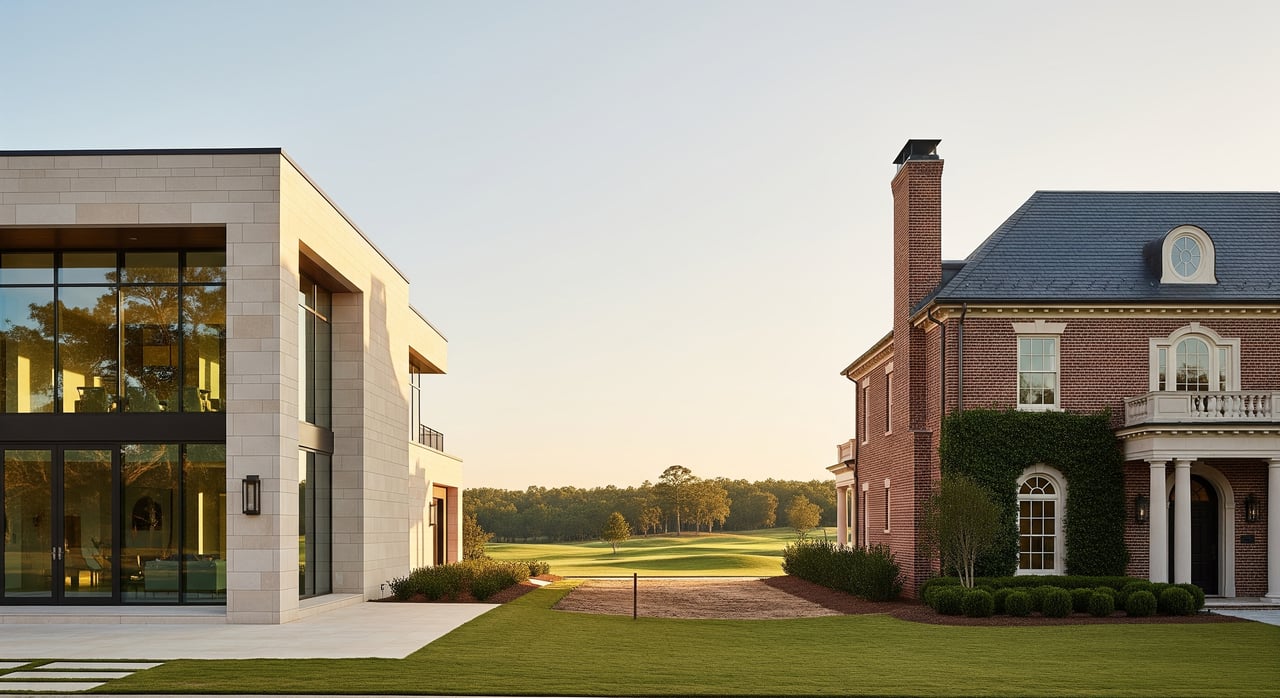
Thinking about Belcastle and torn between building new or buying a finished home? You are not alone. The choice affects your budget, timeline, and future resale. When you compare more than just the sticker price, you can make a confident move that fits your goals. In this guide, you will learn how to weigh total cost, time to move-in, customization value, and resale so you can choose the right path for your family. Let’s dive in.
Buy vs build in Belcastle
Buying a completed home can put you in Belcastle sooner with fewer unknowns. Building can deliver a tailored layout and finishes, but it adds time, decisions, and carrying costs during construction. The right answer depends on your numbers and your tolerance for timeline and design work.
In Belcastle, micro factors matter. Confirm which sections are complete, which lots are builder-held, HOA fees and rules, and the status of utilities and roads. These details affect pricing, timing, and resale comparability. A structured, local-data approach helps you avoid surprises.
What drives total cost
Upfront and closing costs
When you buy resale, your upfront costs include the purchase price, closing costs, title fees, inspections, and near-term repairs or cosmetic updates. When you build, plan for lot cost if separate from the contract, builder base price, design and upgrade allowances, permit and impact fees, site work, utility or septic fees, and potential builder lot premiums.
Use simple adds to get clarity:
- Net upfront buy cost = Purchase price + closing costs + immediate renovations
- Net upfront build cost = Lot cost + Base contract + Upgrades/overages + Permits/fees + Interim financing + Initial landscaping
Construction financing and interest
Most custom or semi-custom builds use a construction loan. You typically pay interest-only on drawn funds during the build, which is an additional carrying cost compared with a standard purchase mortgage. Conversions to permanent financing, rate buy-downs, and builder concessions can change the effective cost. Get current quotes and model them side by side.
One-time move-in costs
New homes often need items beyond the builder’s base: window treatments, expanded landscaping, fencing, driveway or walkway upgrades, and security or automation. Resale homes may require near-term mechanical replacements or targeted refreshes. List these line items for each path so you are comparing real move-in budgets, not just prices.
Recurring ownership costs
Annual costs include property taxes, homeowner insurance, HOA fees, utilities, maintenance, and mortgage interest. Model taxes on completed value and confirm the assessor’s methodology. Newer homes built to modern codes may offer insurance efficiencies, but verify quotes. Use the HOA schedule for the exact fee picture and any planned assessments.
Time and risk factors
Time to move-in
Your timing needs are a big decision driver. In general:
- Spec homes: commonly 3 to 9 months depending on stage when you go under contract.
- Semi-custom or custom: commonly 9 to 18 months from contract to move-in. Timing varies with plan complexity, permitting, and lot readiness.
Confirm current timelines with Belcastle’s sales office, your builder, and Williamson County permitting. Build schedules can shift with weather and inspections.
Carrying costs while you build
If you build, you may have double-housing costs: your current mortgage or rent plus construction interest, taxes, insurance, utilities, and HOA on the new property as it progresses. Add any bridge loan or storage costs if you need temporary housing. A clear monthly carrying-cost number helps you compare a 9 to 18 month build to a resale purchase you could occupy sooner.
Market risk during the build
Markets can move while you wait. Prices can appreciate or soften between contract and completion. Interest rate changes affect affordability at closing and future resale. Supply chain issues and change orders can add time and cost, so many buyers carry a 5 to 10 percent contingency on the base build budget. Include timeline and cost buffers in your model.
Belcastle-specific checks
Before you commit, confirm the status of utilities, road completion and acceptance, and amenity delivery. Ask about builder backlog, new lot releases, and absorption pace in your section. These factors influence both your build timeline and the premium buyers may pay for new versus resale.
Customization and resale
What buyers value
In the luxury move-up segment, you see consistent demand for practical luxury:
- Layout flexibility: large primary suites, a separate guest suite, and usable office or media space
- High-end finishes: stone counters, custom cabinetry, premium appliances, and engineered wood or stone floors
- Outdoor living: covered spaces, outdoor kitchens, lighting, and landscaping that supports privacy
- Energy efficiency and smart home systems
- Universal design elements that improve access and appeal to a wider buyer pool
Which upgrades pay back
Many upgrades add comfort but do not return dollar-for-dollar at resale. Industry benchmarks like annual Cost vs Value studies suggest that well-executed kitchen and bath improvements tend to recoup a higher share than highly bespoke finishes. For a build, set realistic recoupment assumptions by category. Consider marketability and timeless design over hyper-custom selections.
When building wins
Building can make financial and lifestyle sense when the builder’s base product aligns with comps, the lot carries durable appeal, and you control upgrades within a realistic budget. If you plan a longer hold, the personal utility of the right plan and features can outweigh partial recoupment of upgrades.
When buying resale wins
If Belcastle resales are priced competitively with the finishes you want, buying can reduce risk and get you into the neighborhood sooner. Buying is often best if you want to avoid double-housing costs, do not want to manage selections, or if structural changes would be costly to add later.
How to model your decision
Gather the right data
Ask your agent to assemble:
- Recent comps in Belcastle and comparable College Grove communities: sale price, price per finished square foot, features, days on market
- Lot inventory and pricing, plus builder base plans and allowances
- Historical builder build times and current backlog
- Williamson County permitting cadence and any gating items
- Current mortgage and construction loan rates
- Property tax methodology and recent assessments on similar homes
- HOA fee schedule and notes on planned assessments
- Typical closing costs for both buy and sell sides
Build two scenarios
Create a spreadsheet with Buy versus Build. For each scenario include:
- Upfront cash: deposits, down payment, closing costs
- Carrying costs until move-in: interest, taxes, insurance, HOA, storage or temporary housing if needed
- Move-in and upfit items: landscaping, window treatments, fencing, security, or early repairs
- If selling your current home: expected proceeds net of commissions and closing costs
- A target resale horizon: 5 to 7 years is common
- Projected resale price based on local appreciation assumptions
Stress-test your plan
Run a simple sensitivity check:
- Build cost: plus or minus 5 to 10 percent
- Interest rates: plus or minus 1 percent
- Appreciation: plus or minus 2 to 4 percent
- Timeline: add or subtract 2 to 4 months
Then compare net position for each path: Buy versus Build over your chosen hold period.
Weigh lifestyle factors
Numbers guide the decision, but your lifestyle tips it. Consider your tolerance for design choices and site visits, whether you need to move quickly, and how much you value a specific plan or lot orientation. Think about resale marketability if you prefer uncommon finishes.
Ways to reduce risk and cost
Negotiation levers
Experienced representation can help you secure better allowances and clearer change-order terms. Ask for fixed-price change orders or vetted upgrade packages with market appeal. Explore concessions on lot premiums or targeted builder contributions for landscaping or appliance packages. Builders often respond to clean, well-prepared offers.
Smart contract terms
Insist on a detailed builder contract that includes schedule milestones, allowance lists, change-order pricing, and warranty terms. Discuss remedies for late delivery. Document selections early to prevent drift and cost creep.
Budget buffers and timing
Carry a 5 to 10 percent construction contingency. Keep a time buffer for permitting and weather. If you are selling a current home, align your sale timeline with construction milestones or arrange bridge financing so you are not forced into a rushed move.
Next steps in Belcastle
Your best move is to quantify the tradeoffs and pair the numbers with your priorities. Start by confirming Belcastle’s lot availability, HOA details, and current builder timelines, then build the two-scenario model. With seasoned guidance and builder-side experience, you can negotiate confidently and avoid surprises from contract to close.
If you want a tailored Buy vs Build analysis for Belcastle, connect with Susan’s team. With deep local comps, builder relationships, and a clear modeling process, you can choose the path that fits your timing, budget, and long-term goals. Reach out to Susan Gregory to get started.
FAQs
How long does building in Belcastle typically take?
- Spec homes often range 3 to 9 months depending on stage, while semi-custom or custom builds commonly run 9 to 18 months, subject to permitting and builder backlog.
What costs should I include beyond the purchase price?
- Include closing costs, inspections, near-term repairs, taxes, insurance, HOA, utilities, and, for builds, permits, site work, allowances, upgrade overages, and construction interest.
How do lot premiums affect value in Belcastle?
- Lot orientation, privacy, and views can drive premiums and future resale appeal, so confirm pricing and compare against recent comps with similar lots to gauge durability of value.
Is a spec home a good middle ground in Belcastle?
- Yes, a spec can shorten time to move-in while still offering some selections, but compare the spec price and finishes to recent resales and model any remaining build-out or carry costs.
Which upgrades usually recoup best at resale in College Grove?
- Historically, well-executed kitchen and bath improvements recoup a higher share than highly bespoke finishes; prioritize timeless materials and features with broad buyer appeal.
How can an agent reduce construction risk for me?
- An experienced agent can secure clearer allowances and change-order terms, confirm permitting timelines, negotiate concessions, and build a two-scenario model to manage budget and timing.