Trying to decide between a Nashville address and a Williamson County suburb? You’re not alone. You want the right blend of space, price, and commute without second‑guessing your choice a year from now. In this guide, you’ll see how the tradeoffs actually play out across home size, lot types, pricing, and daily drive times so you can buy with clarity. Let’s dive in.
Nashville tradeoffs: proximity vs. space
Housing types and lot sizes
If you want a shorter commute and quick access to restaurants, venues, and parks, close‑in Nashville delivers. You’ll mostly find condos, townhomes, historic bungalows, and smaller‑lot single‑family homes. Many single‑family lots inside Davidson County are under a quarter acre, and infill new construction often prioritizes location over yard size.
Price snapshot inside the city
As of January 2026, the Redfin median sale price for Nashville is about $451,075. Neighborhoods vary widely, so the right number depends on where and what you buy. You can review the latest data on the Nashville housing market.
Lifestyle feel
Close‑in neighborhoods offer walkability and faster access to downtown culture. You’ll trade for smaller yards, more street activity, and tighter parking in many areas. For buyers who value time and amenities over outdoor space, this can be a smart fit.
Suburban tradeoffs: space, privacy, and price
Brentwood at a glance
Brentwood is known for larger single‑family homes, substantial lots, and established subdivisions. Expect many homes on half‑acre to multi‑acre parcels. The Redfin median sale price is about $1,312,500, which reflects luxury inventory and lot size. See current figures on the Brentwood market page.
Franklin at a glance
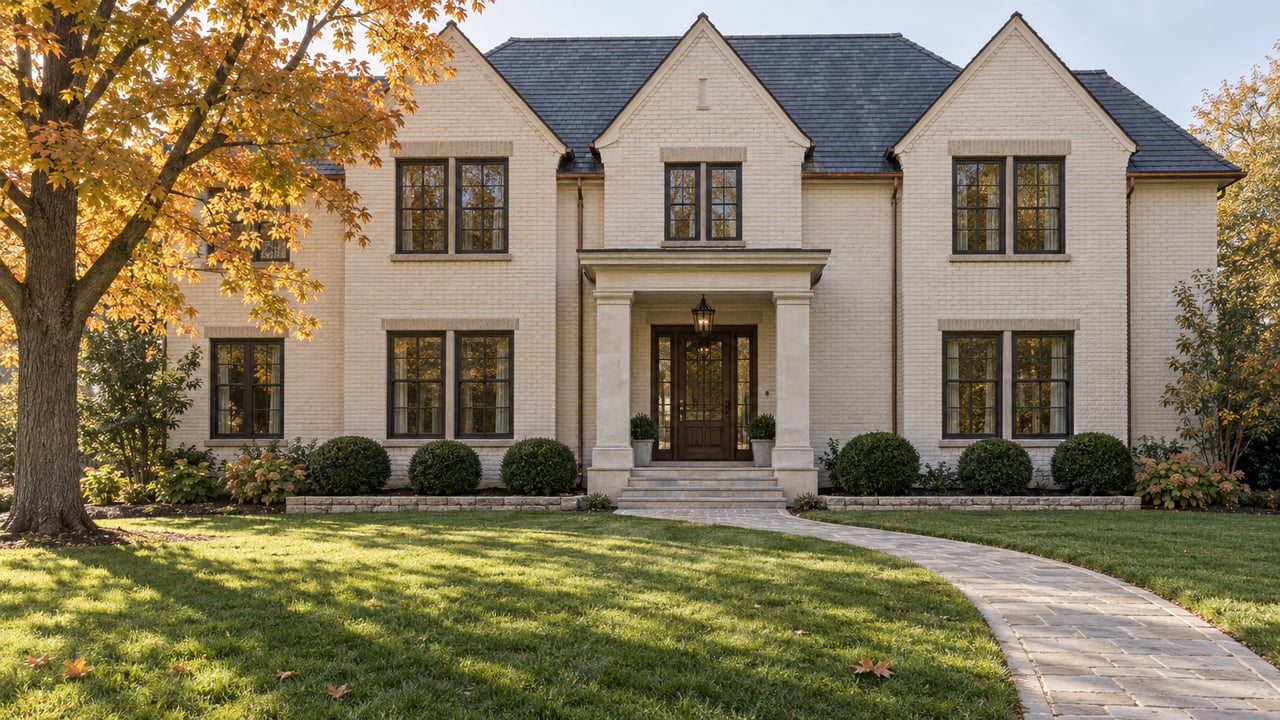
Franklin blends a historic, walkable downtown with a broad suburban footprint. You’ll find subdivisions with roughly 0.2 to 0.5 acre lots and, in outlying areas, estate properties on multiple acres. The Redfin median sale price is about $875,000. Explore the Franklin housing market for current trends.
Nolensville, Thompson’s Station, and Spring Hill
- Nolensville features many newer subdivisions, a small historic center, and typical lots in the 0.15 to 0.5 acre range. The Redfin median sale price sits near $835,000. Check the Nolensville market page.
- Thompson’s Station offers master‑planned communities and some larger tracts at the edges. The Redfin median sale price is about $649,950. See data on Thompson’s Station.
- Spring Hill is a fast‑growing corridor with significant new construction and a broader range of price points than Brentwood or Franklin. Many neighborhoods feature smaller yards, with larger parcels available farther out.
What you typically gain outside the city
- Larger homes and yards for the same budget compared with many in‑city options.
- Greater privacy and neighborhood amenities in planned communities.
- A quieter residential feel, with more garages and driveway parking.
The tradeoff is time. Most suburbs add minutes to your daily drive, especially during peak hours.
Commute reality check
Baseline averages vs. everyday experience
Census 2019–2023 data pegs the mean one‑way travel time for Davidson County at about 24.8 minutes. That’s a statistical average, not a rush‑hour promise. You can view the baseline on the Davidson County QuickFacts.
Nolensville’s mean one‑way commute is about 36.1 minutes, which reflects its distance and the corridors most residents use. See the Nolensville QuickFacts for details.
Why peak can feel longer
Nashville ranks among the more congested U.S. metros, and peak‑hour variability is real. According to the TomTom Traffic Index for Nashville, incidents and rush periods can add significant time. In practice, a 20 to 30 minute off‑peak drive can stretch to 45 minutes or more when traffic is heavy.
Practical planning tips
- Test your target commute during the hours you would actually drive.
- Consider corridor reliability along I‑65, I‑24, I‑440, and TN‑840 when comparing addresses.
- If flexibility matters, look for locations with alternate routes or work‑from‑home options.
Budget and space: what your dollar buys
Every buyer asks, “How much more house do I get in the suburbs?” In general, you will get more square footage and lot size for the same budget in Brentwood, Franklin, Nolensville, Thompson’s Station, or Spring Hill than in many close‑in Nashville neighborhoods. That said, each area has pockets of value and premium enclaves.
- Around Nashville’s city median near the mid‑$400s, you’re often comparing condos, townhomes, or smaller‑lot single‑family homes.
- In Thompson’s Station near the mid‑$600s median, you commonly see larger single‑family homes in master‑planned communities, often with a yard that supports outdoor living.
- In Franklin and Brentwood, higher medians reflect larger homes, premium finishes, and larger parcels. Entry points can vary by neighborhood and age of construction.
Use medians as guideposts, not rules. Your exact result will come down to neighborhood, condition, age, and lot.
Lifestyle priorities: a quick decision framework
Use this checklist to weigh tradeoffs against your day‑to‑day life.
- Time vs. space. Do you value a short drive and walkable amenities, or a larger home and yard?
- Noise and activity. Do you prefer a vibrant urban setting or a quieter residential street pattern?
- Newer builds vs. historic character. Do you want brand‑new systems and open plans, or period details and established streetscapes?
- Lot utility. Is outdoor living, a pool site, or pet space important to you?
- Commute reliability. Will occasional 15 to 40 extra minutes in peak traffic create stress, or is your schedule flexible?
- Future resale. Which submarket aligns with broader demand in your price band and timeline?
Newer construction or historic charm?
- Inside Nashville you’ll find a mix of historic homes and infill new construction. Expect smaller lots in close‑in areas but strong proximity benefits.
- In the suburbs, newer construction is common, from Nolensville’s and Thompson’s Station’s master‑planned communities to custom and estate‑scale options in Brentwood and Franklin. Many subdivisions offer 0.15 to 0.5 acre lots, with multi‑acre choices in select pockets.
If you are considering custom or semi‑custom, align your search with neighborhoods that support your preferred lot size, architectural style, and timeline.
Market context: early 2026
After the extreme competition of 2020 to 2022, the region shows more balanced inventory and longer days on market in many areas. Local association reports note this shift in early 2026. For context on evolving conditions, check the Greater Nashville Realtors news page.
How we help you choose with confidence
A clear plan saves you time and protects your investment. Our team pairs neighborhood‑level insight with decades of builder‑side experience to help you compare specific streets, lot types, and drive patterns before you write an offer. We guide you through live comps, onsite evaluations, and contract strategy so you can move decisively when the right home appears.
Ready to explore addresses in Nashville or Williamson County with a clear, data‑driven game plan? Reach out to Susan Gregory to Request a Consultation.
FAQs
What are the current median home prices in Nashville vs key suburbs?
- Redfin reports roughly $451,075 for Nashville, $1,312,500 for Brentwood, $875,000 for Franklin, $835,000 for Nolensville, and $649,950 for Thompson’s Station as of January 2026.
How much longer is a typical suburb commute compared with Nashville?
- Davidson County’s mean one‑way commute is about 24.8 minutes, while Nolensville’s is about 36.1 minutes; peak traffic often runs longer than these averages.
How reliable are rush‑hour drive times around Nashville?
- Traffic can be unpredictable; congestion data shows incidents and peak periods can add 15 to 40 minutes or more, especially along I‑65 and I‑24 corridors.
What housing types dominate in Brentwood and Franklin?
- Primarily larger single‑family homes, many on 0.5 to multi‑acre lots in Brentwood and a mix of subdivision lots and estate parcels in Franklin.
Can I find a suburban feel while staying inside Davidson County?
- Yes. Several Nashville neighborhoods offer a more residential, lower‑density character, though lot sizes often remain smaller than many suburban options.
Are prices still moving fast in early 2026?
- The market has eased from the 2020–2022 surge, with more balanced inventory and longer days on market in several submarkets, based on local association updates.